Piwniczna-Zdrój
Commemorating 232 Holocaust victims from Piwniczna-Zdrój, Zubrzyk, Wierchomla and Łomnica-Zdrój. The seventh People, Not Numbers project, carried out at the Jewish cemetery by the Poprad river together with the local guardian of memory Justyna Deryng.
People, Not Numbers project no. 7
We are commemorating the Holocaust victims from Piwniczna-Zdrój and the nearby villages of Zubrzyk, Wierchomla and Łomnica-Zdrój. These are 232 names, because they are people, not numbers.
We have been working in Piwniczna since spring. We tidied the cemetery, helping the local guardian of memory Justyna Deryng, who has cared for this forgotten place for years. Thanks to her the cemetery was not overgrown, which deserves recognition and respect for Justyna and the town of Piwniczna-Zdrój.
We will repair the fence, build an entrance gate, lay a path and, most importantly, commemorate the victims of the Holocaust. Together with the town and municipal cultural centre we will gradually present the history of the Jewish community of the town and its surroundings, including the years of the occupation. Our work is possible thanks to the Ledor Wador Foundation, the main partner of the project.
Only a few photographs
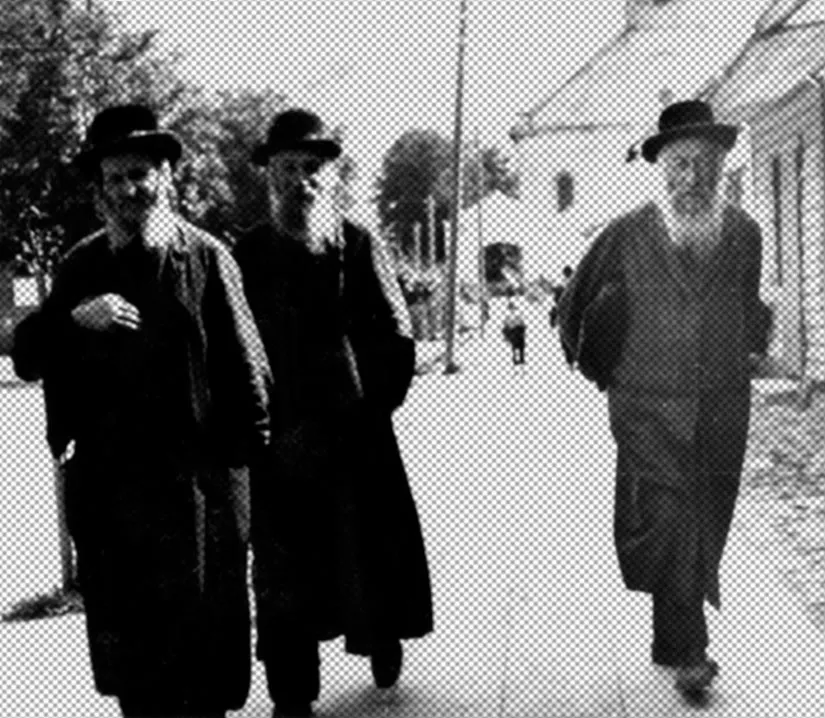
Of a community of several hundred people, only a few photographs remain. One of them shows two young women. All we know is that one of them was called Blima; her surname is unknown.
The photographer captured them happy and smiling, dressed up, as if the picture had been slightly staged. They did not yet know how soon their lives would be cut short and their plans and dreams would suddenly vanish.
The cemetery fence
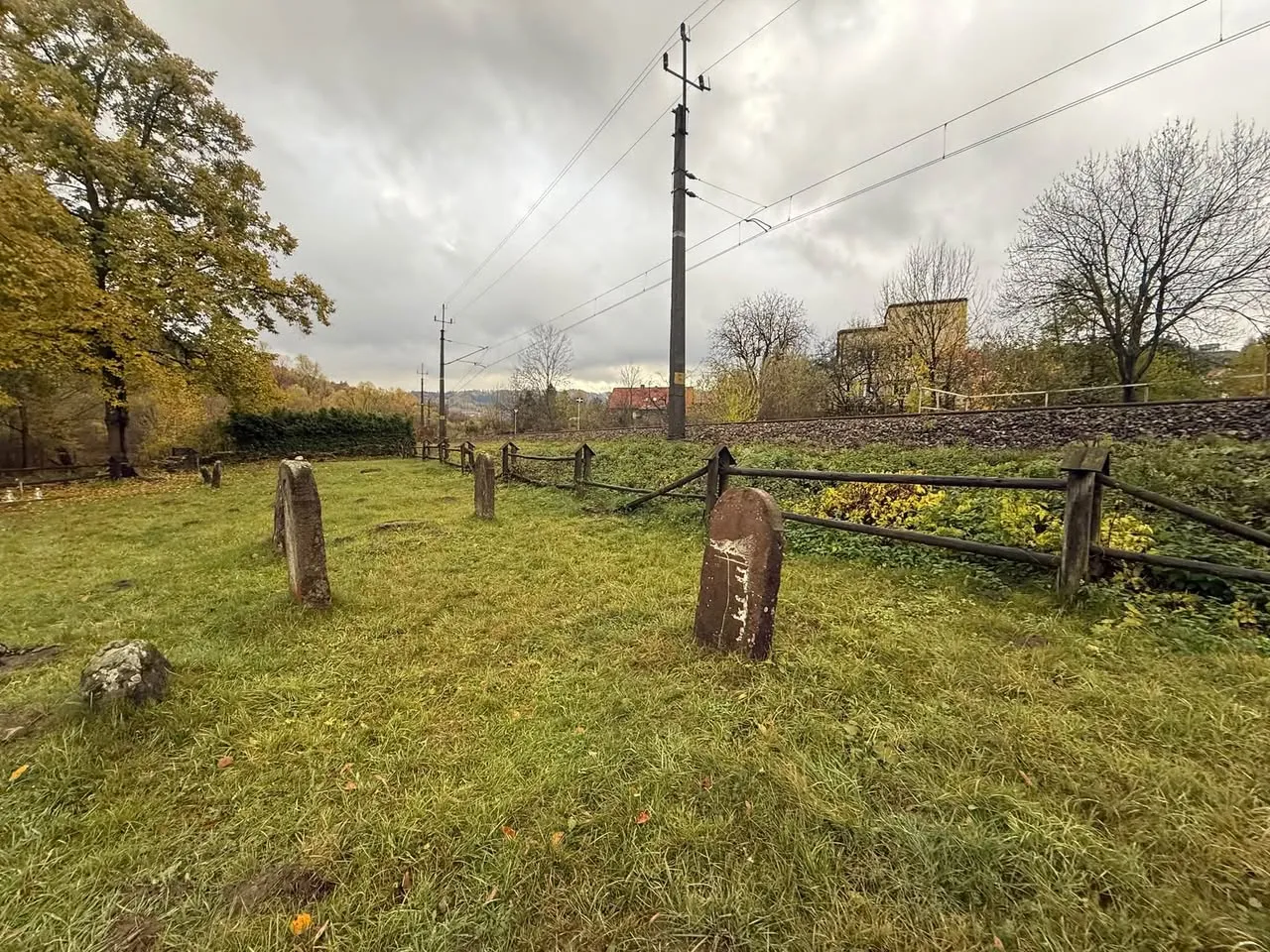
The cemetery fence is charming but worn out and no longer does its job. Animals walk freely onto the cemetery and some people use it as a shortcut, which is not in keeping with Halakha, the religious law.
The new fence will echo the existing one but will also protect the cemetery. It will carry Stars of David, reflecting the character of the place. It was made on the premises of PPHU Centrum sp. z o.o. in Nowy Sącz.
A cemetery remains a cemetery
The collections of the KARTA Centre Foundation hold a series of photographs titled “Greetings from Piwniczna” from 1974. They show a group of students on holiday by the Poprad: tents, football, sunbathing. The site of this camp was the Jewish cemetery.
According to Halakha, a cemetery once established remains one forever. The fact that many gravestones are missing does not change the fact that hundreds of residents of Piwniczna lie buried here. Places without matzevot are graves just like those where matzevot stand. Every grave bears witness to someone’s life.
Guardians of memory
- Justyna Deryng
Local guardian of memory. She has cared for the Jewish cemetery in Piwniczna-Zdrój for years.
- Town and municipal cultural centre
Works with the foundation to present the history of the occupation years in Piwniczna-Zdrój.
- Ledor Wador Foundation
Main partner of the project.
- PPHU Centrum sp. z o.o.
The new cemetery fence was made on the company’s premises in Nowy Sącz.
Timeline
From the pre-war community to the present day.
A camp on the cemetery
The series “Greetings from Piwniczna” in the KARTA Centre Foundation shows students relaxing on the Jewish cemetery.
Tidying the cemetery
Work together with the local guardian of memory Justyna Deryng.
A new fence
The fence is to protect the cemetery in keeping with religious law.
A walk through the site
1 pointapprox. 0 m on foot20 min including stops
Jewish cemetery
The cemetery by the Poprad, where a memorial with the names of 232 Holocaust victims is being created.
Archiwum fundacji
Gallery
List of names
A list of 232 names of people born in or living before the war in Piwniczna, Łomnica-Zdrój, Wierchomla and Zubrzyk.
Biographies
The stories of individual people and families, researched by the foundation and published on its blog (in Polish).
Biographies of people from this place are in preparation.
Listen
Narrated recordings for this place are in preparation. Each will have subtitles and a full transcript.
Guide to the site
A single A4 sheet to print: a short history, the address and coordinates, a QR code for navigation, guidance on conduct at the cemetery and the foundation’s contact details.