About us
The Popiela Family “Centrum” Foundation was established in 2018 on the initiative of Dariusz Popiela. Its main aim is the project “People, not numbers”: commemorating the victims of the Holocaust by name and restoring the memory of the national, ethnic and religious minorities who have lived in Poland.
How the project began
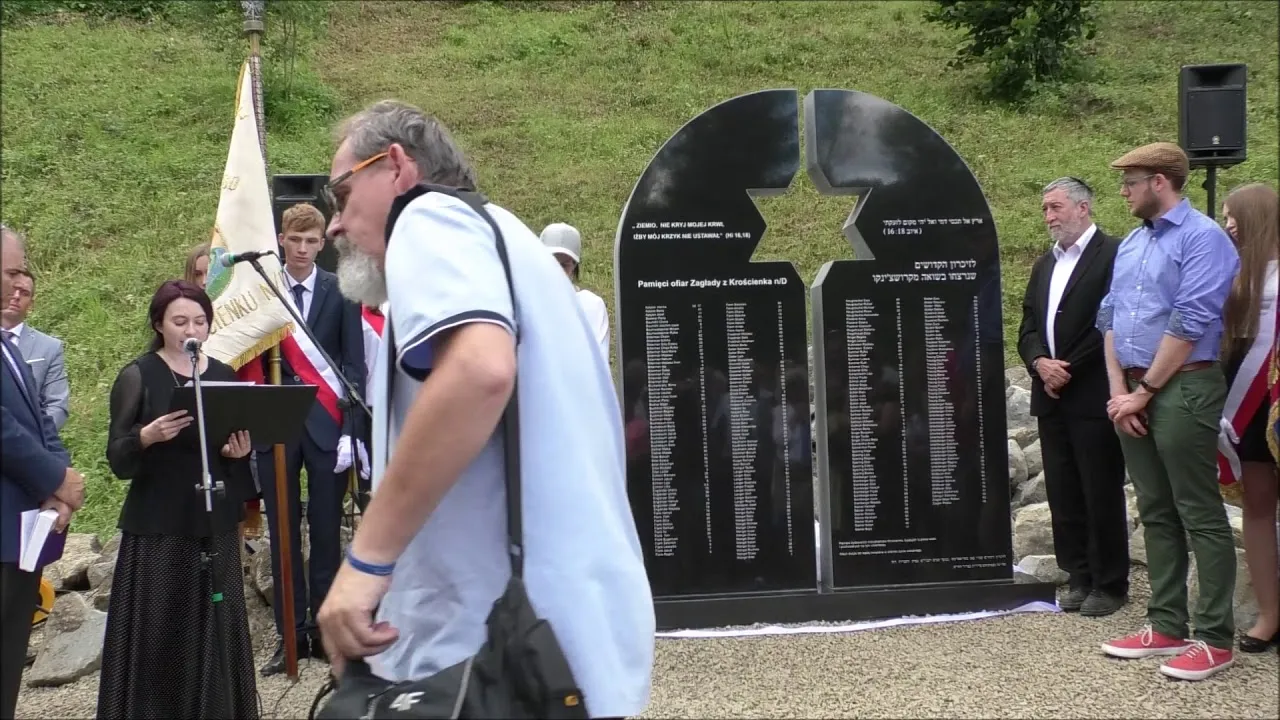
The wish to commemorate the Jewish community of Krościenko nad Dunajcem inspired the project “People, not numbers”, which we developed together with Joanna Kurczap and Elżbieta Magenheim. It became possible thanks to Dr Karolina Panz’s discovery of the 1942 lists of residents of the Podhale region drawn up by the Judenräte.
The Krościenko project remains central to our work. It gave us the experience and knowledge that guide us in every new town. The aim is always the same: a memorial bearing the names of all the victims.
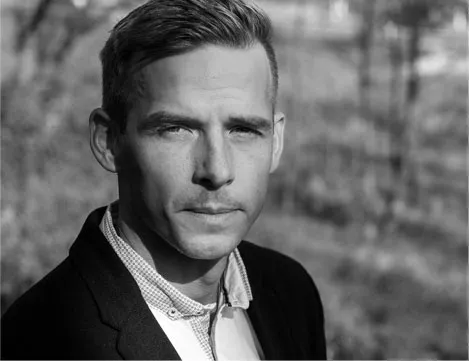
Dariusz Popiela is an Olympian and for many years represented Poland in canoe slalom. His recognition as an athlete helped the project reach people who would otherwise never have heard of it. The members of the foundation’s board have also long been involved in charitable work.
How we work
- 01
Research
Archival research and consultation with experts. Work at cemeteries follows Jewish religious law (Halakha), overseen by the Rabbinical Commission for Cemeteries. Respect for those who rest there comes first, so we adopt the forms of commemoration recommended by the Commission’s experts.
- 02
Working with local communities
We first reach out to local guardians of memory: people who have worked for years to preserve memory and have often tried themselves to commemorate their Jewish neighbours. We create the project with them, drawing on their knowledge of local history.
- 03
Searching
We look for the sites of tragic events: archival documents, witness testimony and traces of mass graves that have until now remained anonymous. We work with the Nissenbaum Family Foundation on fencing cemeteries and with the Zapomniane Foundation on commemorating mass graves.
- 04
Education
We want the memory of those who were murdered to be more than a number or the general word “Jews”. We publish biographies, work with the media and organise meetings in schools.
- 05
The ceremony
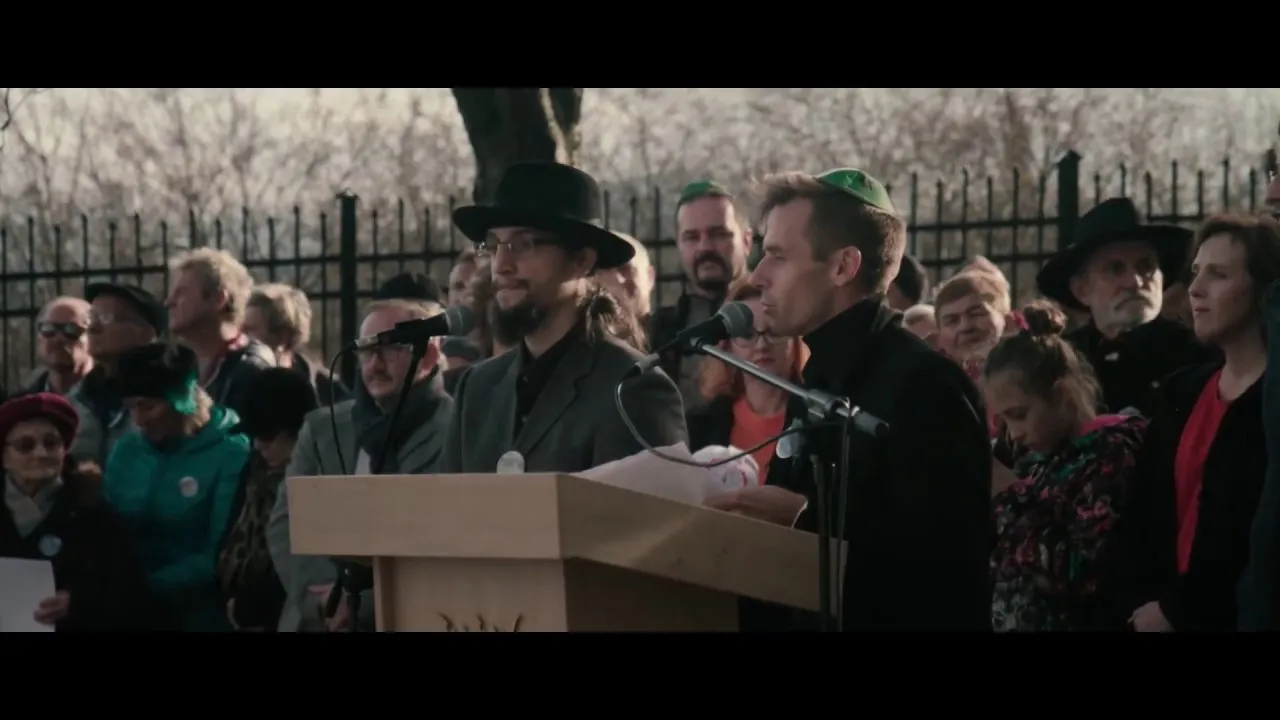
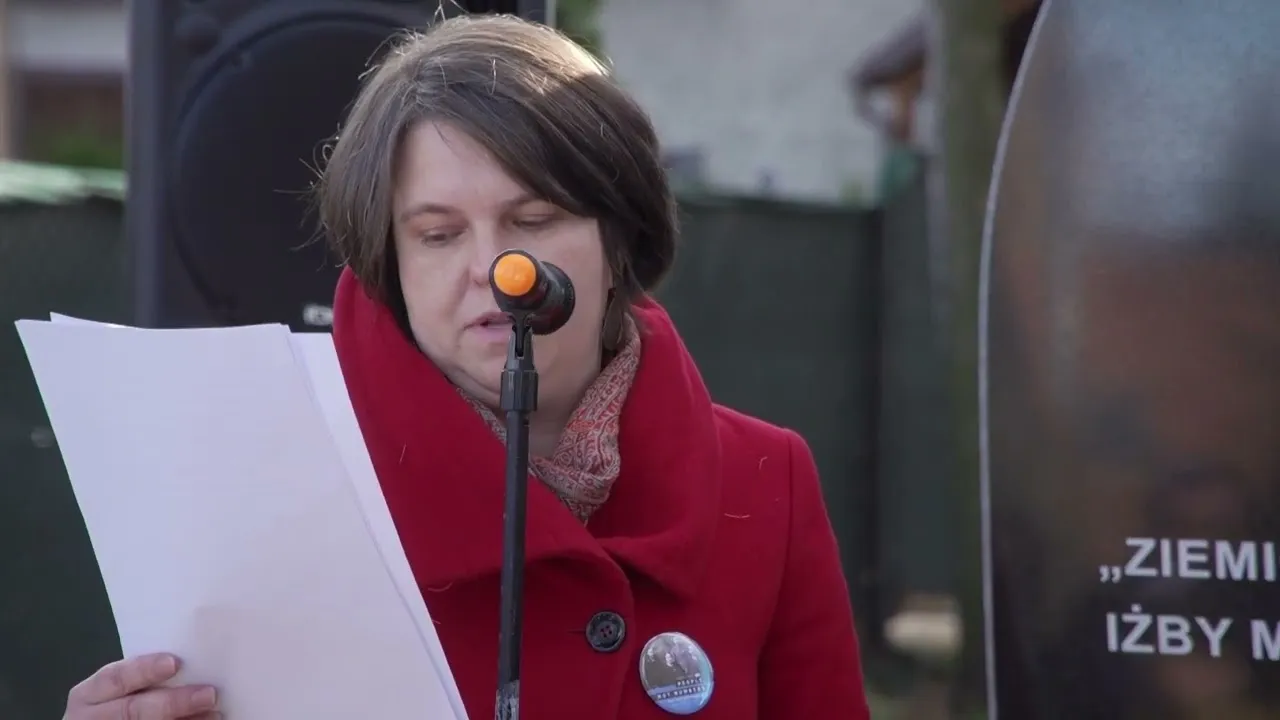
A commemoration is a symbolic first burial of the victims. It is often the first time that people can pray together for the victims in the presence of descendants, a rabbi and representatives of local faiths. We read out every name.
- 06
Raising awareness
For the duration of a project we try to engage local residents with flags, posters, leaflets, light installations or a mural. We remain open to suggestions and ideas.
Educational panels
After a memorial is unveiled, we install panels at each site following the same pattern.
- Panel of Life
- The life of the community before the occupation.
- Panel of the Holocaust
- The day of the deportation and the end of the community, with the names of the SS and Gestapo commanders responsible.
- Panel of Horror
- Anonymous mass graves: the circumstances of the killings and, where possible, the names of the victims.
- Panel of Knowledge
- The history of the site, the course of the project, the guardians of memory, patrons and sponsors.
- Panel of Hope
- A school’s patronage of the memorial and the annual visit of young people to Bełżec.
A walk of remembrance
The boards from the memorial sites in full.
Panel of LifeKrościenko
Żydzi z Krościenka nad Dunajcem przed Zagładą
Panel of the HolocaustKrościenko
Akcja Reinhardt. Zagłada Żydów w powiecie nowotarskim
Panel of HorrorKrościenko
Początek eksterminacji bezpośredniej
Panel of HorrorKrościenko
Relacja świadka
Panel of KnowledgeKrościenko
Cmentarz żydowski z XIX wieku w Krościenku nad Dunajcem
Panel of LifeCzarny Dunajec
Żydzi z Czarnego Dunajca i okolic przed Zagładą
Panel of the HolocaustCzarny Dunajec
Zagłada żydowskich mieszkańców Czarnego Dunajca i okolicznych wsi
Panel of HorrorCzarny Dunajec
Zbiorowe groby
Panel of KnowledgeCzarny Dunajec
„Ludzie, nie liczby”: Czarny Dunajec
Panel of KnowledgePodwilk
Fundacja i projekt
The film “People, not numbers”
From the first steps into an overgrown cemetery, through the work on the commemoration and the unveiling of the memorial, to a meeting with students of the Stefan Żeromski Secondary School in Krościenko, who took on the patronage of the site.
Directed by Agnieszka Pitoń and Maciej Bałamut for Gazeta Wyborcza, Kraków. In Polish.
Films from the places of remembrance
The project’s YouTube channel